There are songs you enjoy. And then there are songs that do something to the room. That change the temperature of the air, reorganise the furniture of your chest, make you briefly unsure of the border between where you end and the music begins.
Kaya Project’s Defiance is the second kind.
It runs for exactly 4 minutes and 26 seconds. It has no lyrics in English. You couldn’t hum the melody in a shower. And yet people who encounter it describe the experience the same way, across countries, across languages: like something very old reaching through the speakers and quietly insisting you’re going to be okay.
The Man Who Made It

Kaya Project is essentially one person. Seb Taylor — Cambridge-born, UK-based — handles guitars, production, and a remarkable range of instruments including duduk, zheng, and zither. His first musical memory was film soundtracks — John Barry, John Williams — and you can hear it: everything has a cinematic quality, a sense of moving through emotional landscape rather than just beats in space.
Over the years he has collaborated with 20 to 30 musicians from all over the globe, building a world fusion catalogue of genuine international renown. Every album is a real gathering of traditions — not a postcard from someone else’s culture, but a genuine conversation between them.
Seb Taylor aka Kaya Project (Source psybient.org)
An Album Made for Challenging Times
Defiance was released on 29 April 2022. Seb described it simply as “an album made for challenging times.”
That phrase is doing a lot of quiet work. 2022. You know what the years before it felt like. The world had spent two years inside its own walls. Artists either froze completely or reached deep. Seb reached deep.
The title wasn’t chosen lightly. Defiance doesn’t mean anger. It means continuing anyway.
The People in the Room
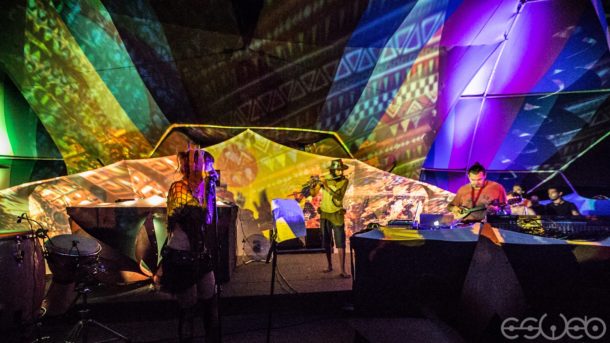
Kaya Project at Boom Festival (Source psybient.org)
This is what surprises people who discover the track: it isn’t made by machines. It’s made by a constellation of humans from across the world, somehow sharing the same breath.
Fatima Gozlan plays ney, kaval, and fujara. Pooja Tiwari sings. Aref Durvesh plays tabla. Lorenzo Mantovani contributes sarangi.
These aren’t decorative choices.
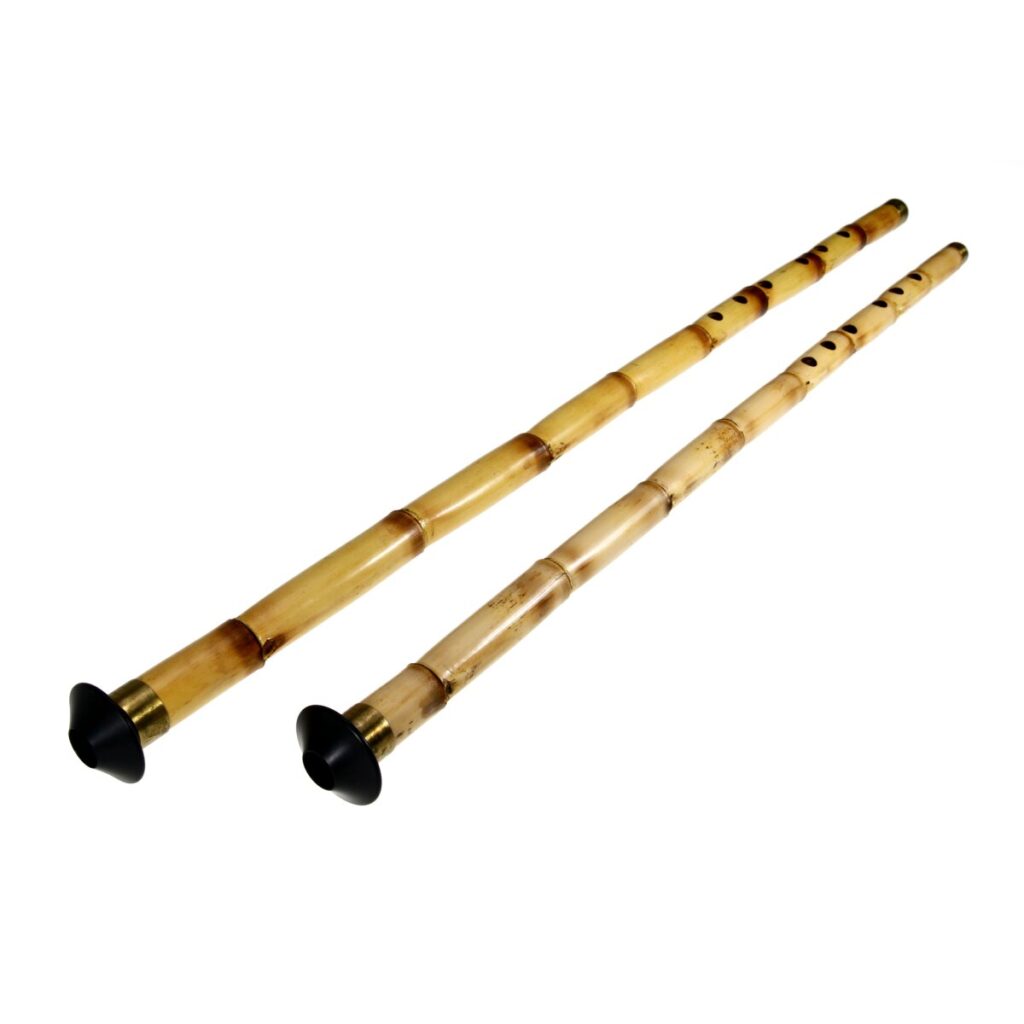
The ney flute has been the instrument of Sufi mysticism for over 4,500 years — its breathy, imperfect tone carries the sound of breath itself, which is to say the sound of being alive and not entirely certain what that means.

The tabla is a conversational drum; each stroke has a syllable, a name, a meaning in a centuries-old notation system.
The sarangi sustains tones with a quality that sounds almost like a human voice crying. Not dramatically. Quietly. From a distance.
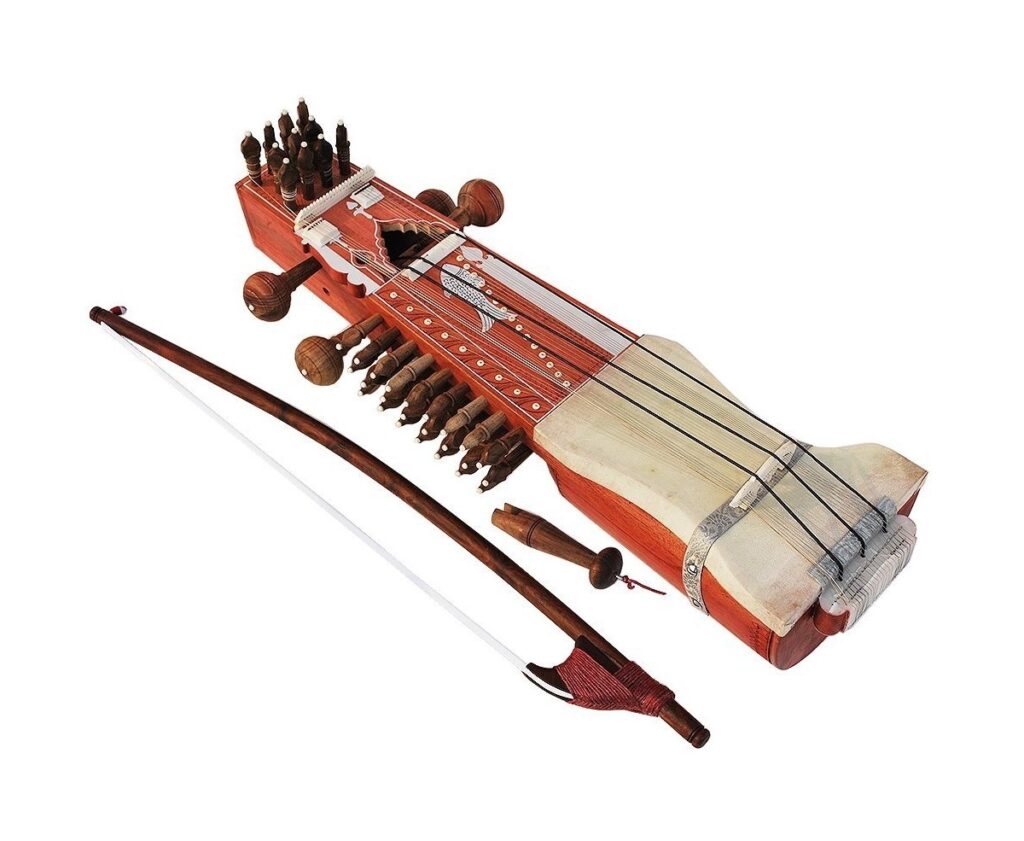
When these instruments meet Seb’s electronic architecture, something happens that can’t be reverse-engineered. It just lands.
4:26 — What Actually Happens
The timeline below maps every section.
Why “Defiance”?
Here’s what strikes me about that title. The word “defiance” usually conjures combat: defiance against an enemy, defiance in the face of power, fists raised, jaws set.
But listen to four minutes and twenty-six seconds of this music and tell me it sounds like that.
It doesn’t. It sounds like something much harder than fighting. It sounds like continuing. Breathing. Refusing to become numb when going numb would be so much easier.
That is the deepest form of defiance there is. Not resistance as aggression, but resistance as persistence. The insistence on remaining open to beauty, to feeling, to the genuine human complexity that music like this carries — even when everything around you is telling you to close up, simplify, move faster, feel less.
Seb Taylor closed his album notes simply: “Infinite Gratitude to all the amazing performers and artists credited below. I love you all. And to anyone who buys this album — I wouldn’t be able to do this without your support.”
No manifesto. No grand statements. Just gratitude, across countries, across instruments, across traditions, across time.
That’s the album. That’s the song.
A Note on Playing It Right
The cymatics article here on The Feeling Freq talks about how you are 60% water and how sound draws patterns in you. That’s especially true with this track. The sub-bass drone in the opening section generates standing waves in the body’s fluid systems at around 40–60 Hz. The ney’s microtonal intervals create naturally occurring beating frequencies that nudge the brain toward alpha and theta states — the zone where the border between self and sound gets genuinely negotiable.
Which is to say: the correct way to listen to Defiance is not while checking your social media.
Find the quietest room. The best headphones you have. Close your eyes if that helps. Let the first 60 seconds do their work without rushing them.
The rest takes care of itself.